Wondering how to know if your growth plates are closed? You are not alone. Many teens and young adults ask this when their height stops changing. The only reliable answer comes from a medical exam and an X-ray, but your age, growth pattern, and stage of puberty can offer useful clues.
Growth plates do not close on the same birthday for everyone. Genetics, hormones, health, and the timing of puberty all affect the process. That is why your friend may stop growing at 16 while you keep growing at 19.
What Are Growth Plates?
Growth plates are thin areas of cartilage near the ends of long bones. Doctors also call them epiphyseal plates. You have them in bones such as your femur, tibia, radius, and humerus.
During childhood and puberty, these plates create new bone tissue. This process makes your arms and legs longer. As puberty ends, the cartilage hardens into bone and the plates fuse.
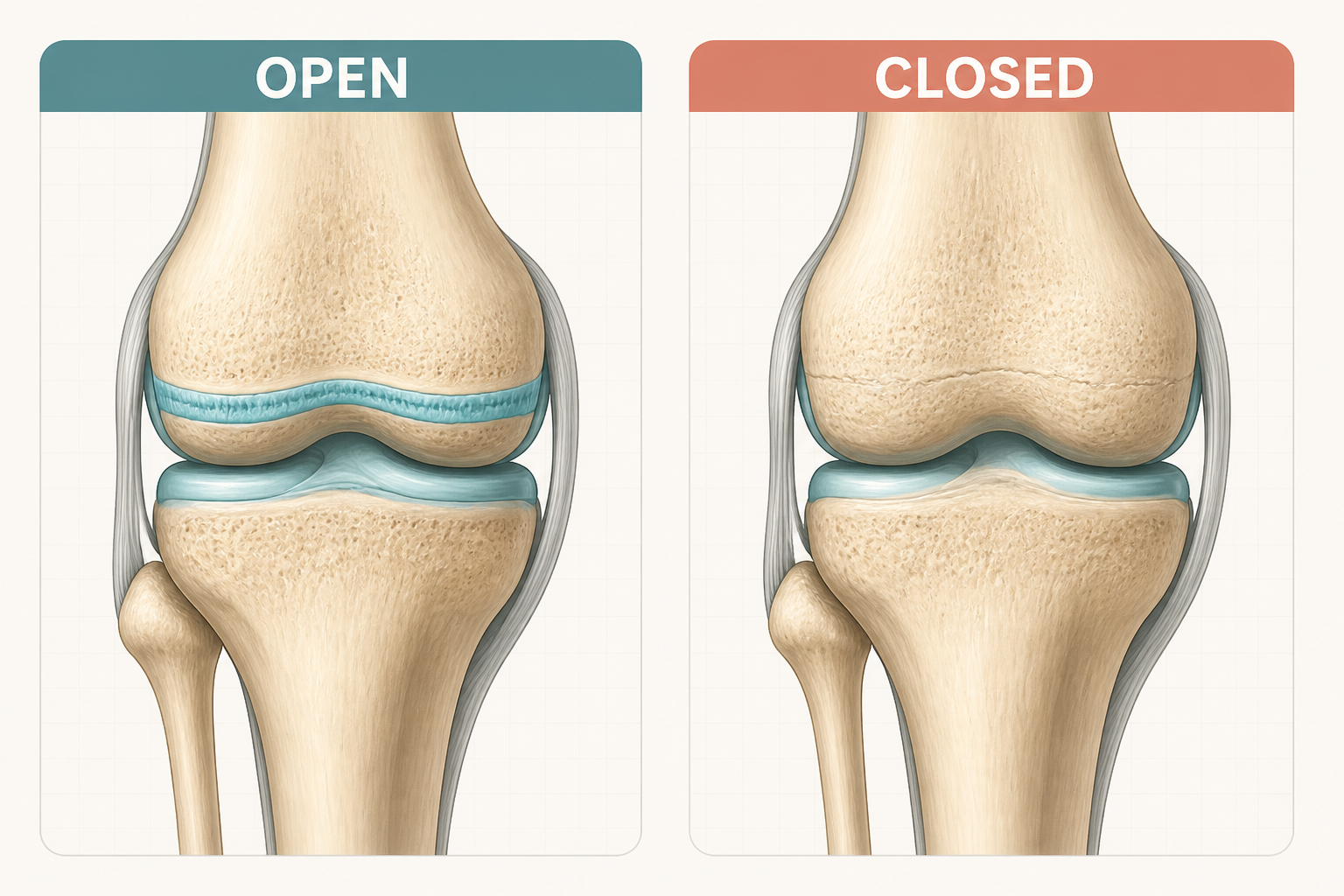
Once your growth plates have fully fused, your long bones cannot get longer naturally. Stretching, supplements, hanging from a bar, and special diets cannot reopen them. Your posture may improve, but that is different from growing new bone.
How to Know if Your Growth Plates Are Closed
You cannot see or feel your growth plates at home. You also cannot confirm their condition by looking at your knees, checking your shoe size, or taking an online quiz. Those methods can provide clues, but they cannot give a firm answer.
A doctor can check your growth plates with a bone-age X-ray. The image usually shows the bones in your left hand and wrist. A radiologist or pediatric specialist compares the image with standard examples of skeletal development.

The X-ray may show one of three general stages:
- Open growth plates: You may still have room for more bone growth.
- Partly fused growth plates: Growth is slowing, but some growth may remain.
- Fully fused growth plates: Natural lengthening of the long bones has ended.
A bone-age test does not predict your final height with perfect accuracy. It gives your doctor a useful estimate of your skeletal maturity and remaining growth potential.
Signs Your Growth Plates May Still Be Open
Several changes may suggest that you are still growing. None of them proves that your growth plates are open, so treat them as hints rather than a home diagnosis.
- Your measured height has increased during the past six to twelve months.
- Your shoes, pants, or sleeves keep becoming too small.
- You recently started or are still moving through puberty.
- Your arms and legs appear to be growing faster than your torso.
- You have recently experienced a clear growth spurt.
- Your doctor says your growth chart still shows steady height gains.
Measure your height under the same conditions each time. Use a flat floor, remove your shoes, and stand against a straight wall. Measure at the same time of day because your height can change slightly as your spine compresses during the day.
Signs Your Growth Plates May Be Closed
Your growth plates may be fused if your height has stayed the same for more than a year and puberty appears complete. Stable shoe and clothing sizes can offer another clue.
Other possible signs include:
- No measurable height increase over a long period
- Completed physical changes linked to puberty
- Adult facial and body-hair patterns
- A growth rate that has gradually slowed to zero
- A bone-age X-ray showing full skeletal maturity
These signs still cannot replace an X-ray. People complete puberty at different ages, and late bloomers may grow after many friends have stopped.
At What Age Do Growth Plates Usually Close?
Growth plates normally close near the end of puberty. Girls often reach skeletal maturity earlier because puberty usually begins earlier. Boys often have a later growth spurt and may continue growing for longer.
Many girls finish most height growth around ages 14 to 16. Many boys finish around ages 16 to 18. Some people stop earlier, while late bloomers may continue into their late teens or early twenties.
Age alone cannot tell you how to know if your growth plates are closed. Puberty timing matters more than the number on your birthday cake. Bodies are annoyingly bad at following a single calendar.
Can You Grow Taller After Growth Plates Close?
Once the plates have fused, exercise and nutrition cannot make your leg bones longer. Growth hormone also cannot increase height after full fusion. Products that promise several inches of adult bone growth should raise a very large red flag.
You may still improve how tall you look and stand. Strengthening your back and core can support better posture. Healthy body weight, well-fitted clothing, and suitable shoes may also create a taller appearance.
Your height can vary slightly during the day. The discs in your spine lose some fluid under daily pressure and recover while you rest. This temporary change does not mean your growth plates reopened.
When Should You See a Doctor?
Talk with a healthcare professional if you have concerns about your growth. Start with a family doctor or pediatrician. They may refer you to a pediatric endocrinologist, who specializes in growth and hormones.
Consider asking for medical advice if:
- Your growth stopped much earlier than expected.
- You are growing much more slowly than before.
- Puberty started unusually early or has not started at the expected age.
- Your height falls far below your family’s usual pattern.
- You have ongoing bone pain, weakness, or signs of a growth-plate injury.
- You are thinking about using hormones or height supplements.
Your doctor may review your growth chart, family history, nutrition, and puberty stage. Depending on the findings, they may order a hand-and-wrist X-ray or blood tests. Do not take growth hormone unless a qualified doctor has diagnosed a condition and prescribed it.
What to Do If Your Growth Plates Are Still Open
No routine can push you past your genetic height range. However, healthy habits can help your body reach its natural potential while it is still growing.
- Eat enough protein, fruits, vegetables, whole grains, and calcium-rich foods.
- Get vitamin D through safe sun exposure, food, or medical guidance.
- Sleep eight to ten hours if you are a teenager.
- Stay active with sports, walking, strength training, or other exercise you enjoy.
- Avoid smoking, anabolic steroids, crash diets, and unproven supplements.
- Attend regular checkups so your doctor can track your growth rate.
Good habits support normal development, but they are not magic height hacks. Your genes still set much of the range.
Get a Clear Answer About Your Growth
The best answer to how to know if your growth plates are closed is simple: review your growth history and ask a medical professional about a bone-age X-ray. Physical signs can guide you, but an X-ray offers far stronger evidence.
Still noticing changes in your body? Read How to Know if You’re Still Growing: 15 Signs for more clues, realistic timelines, and common growth myths.